Dersler·life-skills·Çocuklar · Orta
Doğru mu Değil mi? İnternetteki Bilgileri Sorgulama
İngilizce ders adı: Is That Really True?
Çocuklar için özel olarak hazırlanan bu derste, internetteki bilgilerin doğruluğunu sorgulamayı, gerçekleri ve fikirleri ayırt etmeyi öğrenin.
İnternette okuduğumuz her şey doğru mu? Bu ders, çocukların çevrimiçi bilgileri eleştirel bir gözle değerlendirmelerine yardımcı olur. Gerçekleri ve kişisel görüşleri ayırt etmeyi öğrenerek, doğru bilgiye ulaşma becerilerini geliştirirler.
Bu derste ne öğreneceksiniz
- İnternetteki bilgilerin güvenilirliğini sorgulamayı öğrenir.
- Gerçekler ve kişisel görüşler arasındaki farkı anlar.
- Eleştirel düşünme becerilerini geliştirir ve kanıtlara dayalı çıkarımlar yapar.
Yaklaşık 20 dakika
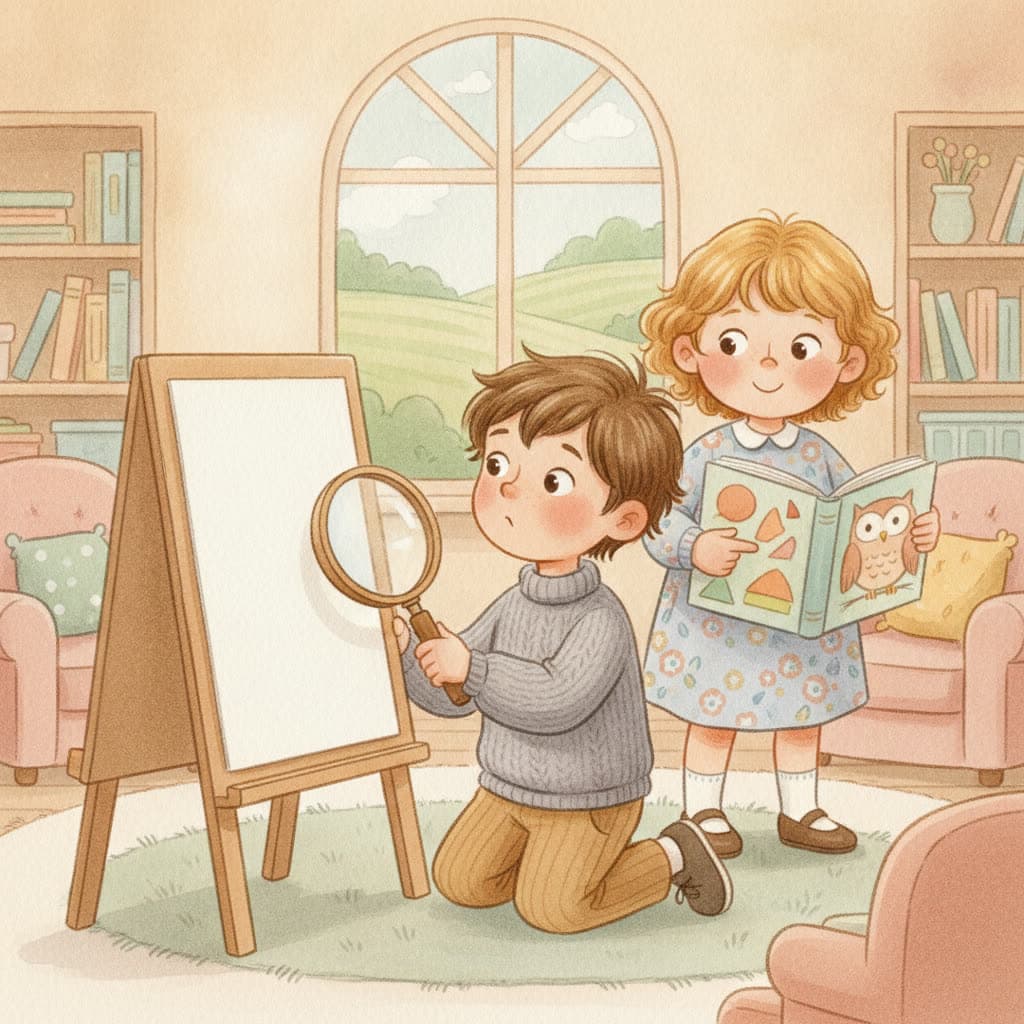
Your friend tells you that eating carrots lets you see in the dark. Is it true? How could you find out?
Before you start
Watch Can You Believe Everything You See Online? by BBC Teach (4 min) — What surprised you? Have you ever believed something online that turned out to be wrong?
- Can you think of something you believed that turned out not to be true?
- How do you decide if something you read online is true?
- What's the difference between a fact and an opinion?
The Carrot Myth
The Three-Question Check
What You Now Know
- Fact vs Opinion
- A fact can be proven true or false. An opinion is what someone believes or feels.Fact: 'Water boils at 100°C.' Opinion: 'Water tastes better than juice.'
- Source
- Where information comes from — a book, website, person, or video.A science textbook is a more reliable source than a random social media post.
- Evidence
- Proof that something is true — like an experiment, a photograph, or data.Scientists tested whether carrots improve night vision — the evidence showed they don't.
- Checking Facts
- Looking at more than one source to see if a claim is true.If you read something surprising online, search for it on a trusted website like the BBC.
Let's Talk About It
- Can you think of something that SOUNDS true but isn't? (Like 'we only use 10% of our brain.')
- Someone at school says 'I saw it on YouTube so it must be true.' What would you say?
- Is it always wrong to believe something without checking? When is it OK?
- Why do you think fake stories spread so fast online?
Critical Thinking Vocabulary
| English | Türkçe |
|---|---|
| actuallyActually, that's not quite right — let me explain. | aslındaAslında bu pek doğru değil — dur sana açıklayayım. |
| nonsenseThe idea that goldfish have a 3-second memory is complete nonsense. | saçmalıkJapon balıklarının 3 saniyelik hafızası olduğu fikri tamamen saçmalık. |
| rubbishThat story about aliens landing in London is total rubbish. | saçma / çöpUzaylıların London'a indiğiyle ilgili o hikaye tamamen uydurma. |
| proveCan you prove that carrots give you night vision? No? Then it might not be true. | kanıtlamakHavuçların gece görüşü verdiğini kanıtlayabilir misin? Hayır mı? O zaman doğru olmayabilir. |
| evidenceScientists need evidence before they can say something is a fact. | kanıt / delilBilim insanlarının bir şeyin gerçek olduğunu söyleyebilmesi için kanıta ihtiyacı vardır. |
Writing task
Write about 80 words on this and have it marked, with corrections. Free account needed.
Discuss this in English
Reading about life-skills is one thing; arguing your position out loud in English is another. A free account unlocks the graded writing task, the discussion practice with a British AI tutor, and saved progress.